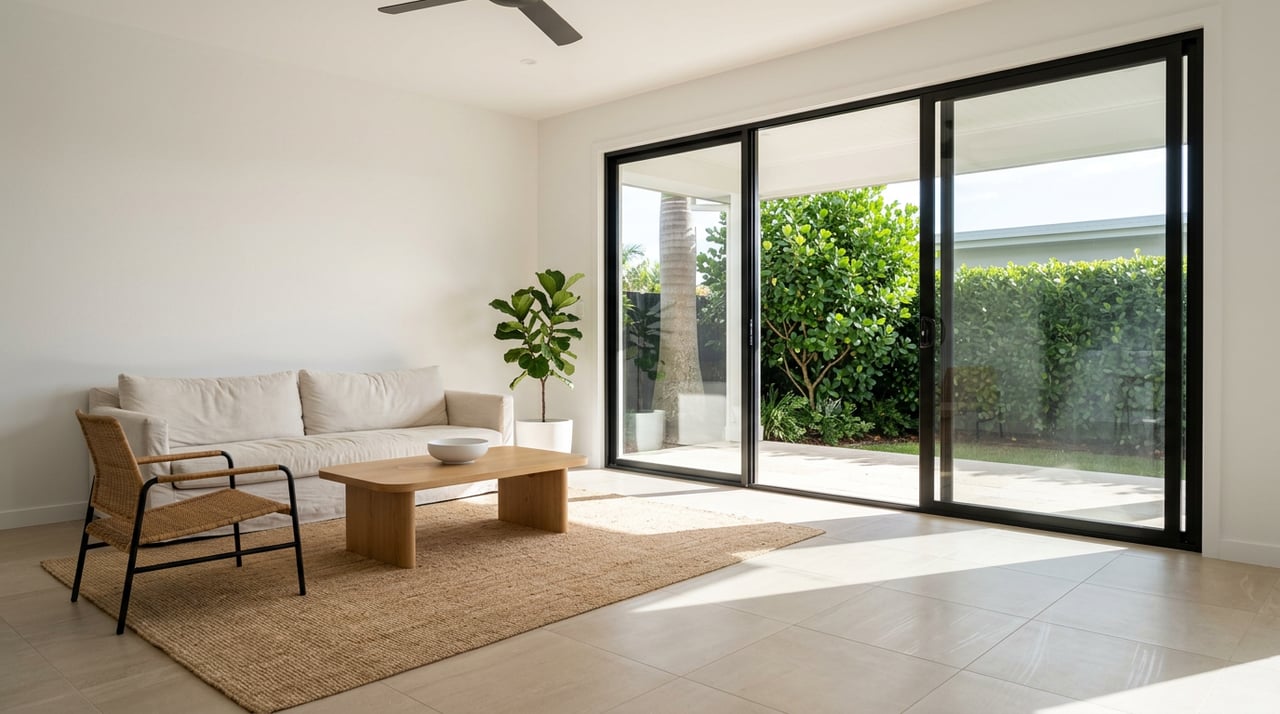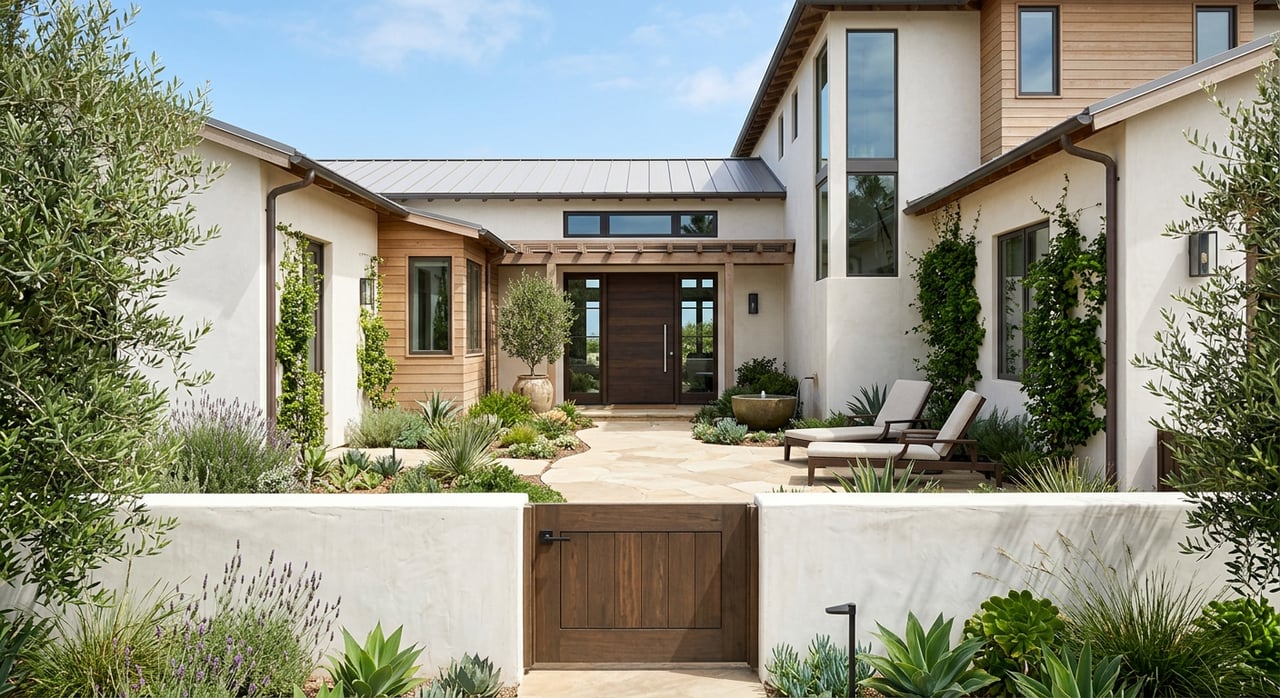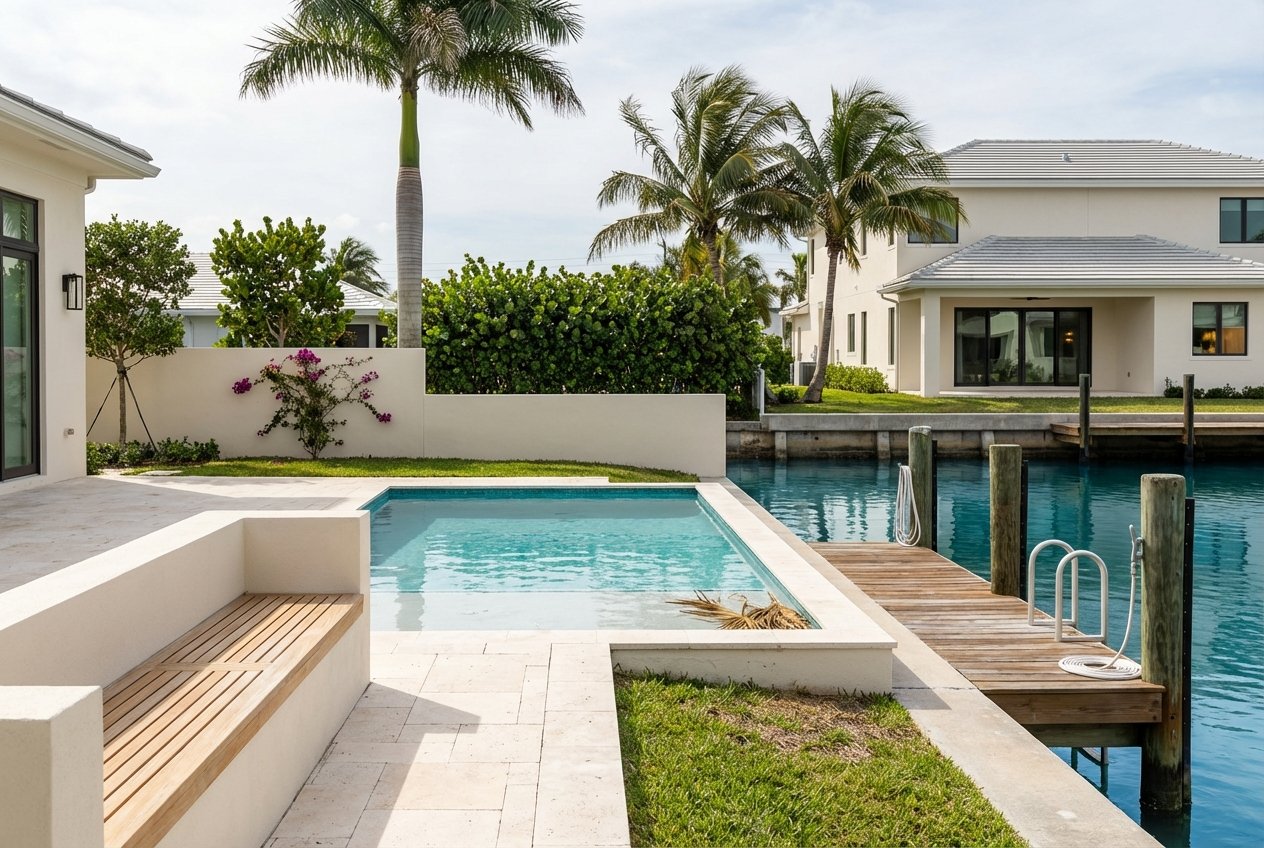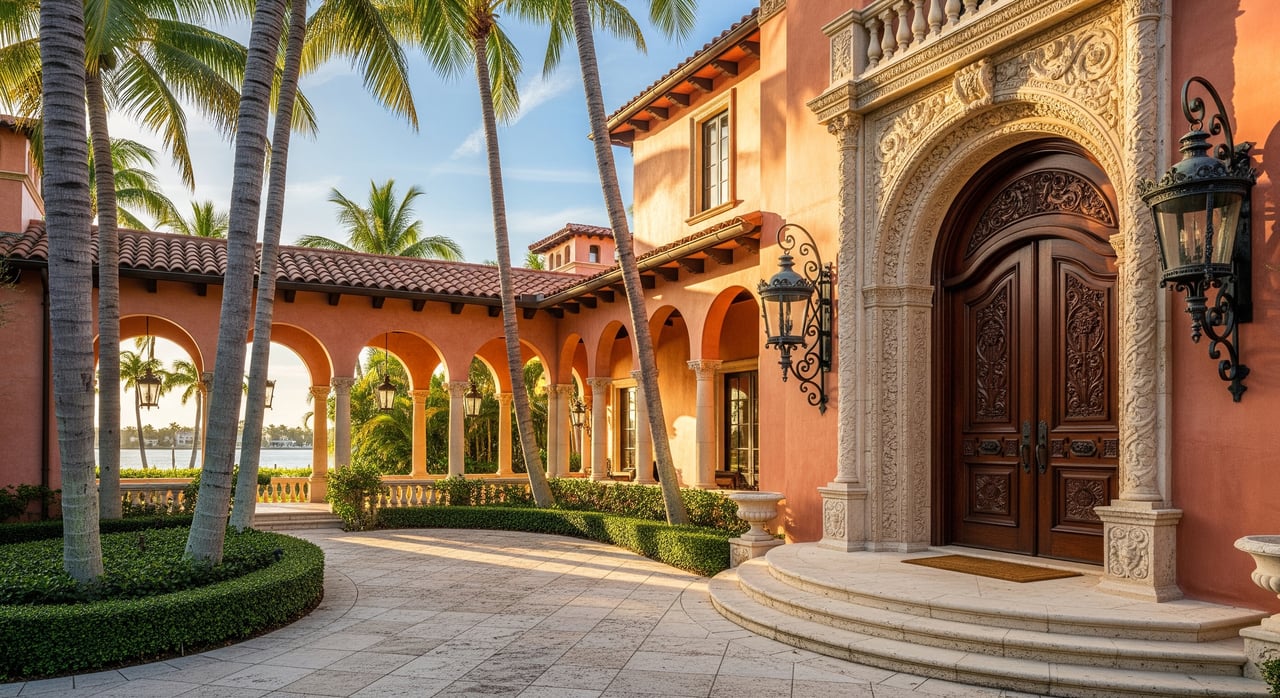
Is the scent of fresh paint and brand‑new systems calling your name, or do you prefer the character and established feel of a mature neighborhood? If you are choosing between new construction and a resale home in Palm Beach Gardens, you are not alone. You want the right fit for your timeline, budget, and lifestyle, without surprises. In this guide, you will learn how pricing, financing, timelines, inspections, HOAs, flood risk, and negotiation play out locally so you can move forward with clarity. Let’s dive in.
How Palm Beach Gardens sets the stage
Palm Beach Gardens sits in a high-demand part of Palm Beach County with a mix of golf communities, coastal‑adjacent suburbs, and new master‑planned neighborhoods. Buyers include relocators, seasonal residents, and move‑up families seeking more space and amenities. That means you will find both established resales and active new‑build options in and around the city.
Supply is split between older but well-located homes and new developments aimed at move‑up buyers. Because local trends change quickly, it is smart to review the most recent city or zip‑level MLS data before you write an offer. Focus less on broad headlines and more on neighborhood‑specific comps that match the homes you are considering.
What you really pay: new vs. resale
New construction cost stack
With a new build, the base price is only the starting point. Expect additional items like lot premiums for location or views, design studio upgrades, landscaping, pavers or driveway options, permit and impact fees, and builder-specific closing costs. Popular options such as flooring, cabinets, lighting, and outdoor living features can add 10 to 30 percent or more over the base price, depending on your selections and lot.
Upgrades come in packages or as individual line items. Create a realistic upgrade budget early and compare model home features to the written “standard features” list so you do not assume a showcase finish is included.
Resale cost profile
With a resale, you pay the negotiated purchase price plus typical closing costs. You might have fewer immediate upgrade expenses, but you could face deferred maintenance such as roof, HVAC, or exterior work. The upside is you can leverage inspection findings for credits or repairs and, in some cases, capture near‑term equity if you negotiate well against local comps.
Incentives you can negotiate
Builders commonly offer incentives like mortgage rate buydowns, closing cost assistance, design credits, and occasional reductions on lot premiums or spec inventory. Resale sellers, by contrast, often negotiate on price, provide inspection credits, or complete certain repairs before closing. Incentives vary with market tightness, so your leverage depends on inventory and days on market for similar homes.
Appraisal and financing differences
Appraisals on new homes
New construction appraisals can be tricky if there are few recent new‑build comps. Appraisers may rely on resales adjusted for age, upgrades, and lot features. If the appraisal comes in below your contract price, you will need to re‑negotiate, increase your down payment to cover the gap, or adjust options if allowed by your builder contract.
Financing pathways
Resales typically use conventional, FHA, VA, or other standard mortgages. For new construction, spec or production homes usually close with a standard mortgage after the certificate of occupancy. Build‑to‑order and custom homes often use construction or construction‑to‑permanent financing, which works differently from a typical mortgage. To understand the basics, review the CFPB overview of construction‑to‑permanent loans.
Rate locks and timing
Build timelines can outlast standard rate locks. Some builders provide extended rate‑lock programs for a fee or as an incentive, but terms vary. Before you decide, read the details and compare your lender’s options with any builder‑affiliated offer. For definitions and questions to ask, see CFPB guidance on rate locks.
Insurance and underwriting
Lenders require hazard insurance, and in Palm Beach County you should also consider windstorm and flood coverage. Many properties are outside high‑risk flood zones, but you still want to confirm the exact FEMA flood zone for any lot you are considering. Use the FEMA Flood Map Service Center to look up a property’s flood designation. For broader context on Florida premium volatility and policy availability, consult the Florida Office of Insurance Regulation and Citizens Property Insurance. Your insurance quotes will affect monthly affordability and lender approval.
Timeline and process: what to expect
Typical timelines
Resales commonly close in 30 to 60 days once inspections and appraisal are complete. New construction timelines vary. If you buy a nearly finished spec home, you might close in a few months. A build‑to‑order home often runs 6 to 18 months depending on permits, customization, weather, and supply chain. Ask for a realistic schedule and what happens if there are delays.
Key milestones
For new builds, major decisions occur at lot selection and contract, design studio selections, permit approval, pre‑drywall review, final walkthrough, and issuance of the certificate of occupancy. Delays can occur at permitting, during weather events, or due to subcontractor scheduling. In a resale, the critical path runs through the inspection period, appraisal contingency, title work, and final loan approval.
Inspections and warranties: do not skip them
New construction inspections
Even with municipal inspections and a builder punch list, you should hire an independent home inspector for key phases like pre‑drywall and final. These inspections help catch workmanship issues early and document conditions at handoff. Learn more about what inspectors look for in independent pre‑drywall and final inspections.
Resale inspections
With a resale, plan for a full home inspection and specialty inspections as needed, such as roof, HVAC, pest, pool, or mold. Use findings to negotiate repairs or credits. If major issues surface, you may exercise contract contingencies to re‑negotiate or cancel, based on the contract terms.
How warranties work
Most builders provide a written, staged warranty. A common pattern is coverage for workmanship in the first year, certain systems coverage in the second, and a longer limited structural warranty, though the exact terms vary by builder and warranty provider. Read the warranty document carefully for coverage limits, claim steps, required maintenance, and exclusions. Resales may have limited warranties or remaining manufacturer coverage on specific components.
HOA, flood, and taxes in Palm Beach Gardens
HOA and condo documents to review
Whether you buy new or resale, the community’s rules and financial health matter. Review declarations and CC&Rs, bylaws, budgets, reserve studies, current assessments, meeting minutes, rental and pet policies, and any pending litigation. Florida has disclosure frameworks for both condominiums and HOAs. For reference, see the Florida condominium statute (Chapter 718) and the Florida HOA statute (Chapter 720). In new communities, confirm how initial reserves are funded and how long the developer controls the association.
Flood, wind, and insurance costs
Flood risk and wind exposure affect both lending and monthly costs. Verify a property’s flood zone with the FEMA Flood Map Service Center, and ask your insurance agent about wind mitigation credits and required protections. For statewide insurance context and consumer resources, use the Florida Office of Insurance Regulation and Citizens Property Insurance.
Property taxes and assessments
New construction can change your assessed value, which impacts property taxes. Some new communities also have special assessments for infrastructure. Before you commit, review historical tax data and current assessments for similar properties using the Palm Beach County Property Appraiser. Build these estimates into your total monthly carrying costs.
Negotiation strategies that work here
New construction levers
Builders in strong markets often hold firm on base price but compete on incentives and terms. You can negotiate for upgrades, lot premium adjustments, closing cost credits, flexible closing dates, or mortgage incentives like buydowns or extended rate locks. Always get incentives and timelines in writing, and compare them with outside lender offers.
Resale levers
In a resale, price, repair credits, inclusion of appliances or furnishings, and move‑out timing are common levers. Inspection results provide a clear basis for re‑negotiation. Your strategy should reflect current days on market and comparable sales for that neighborhood and property type.
Risk tradeoffs at a glance
- New construction, pros: modern code compliance, brand‑new systems, lower near‑term maintenance, customization, and a builder warranty.
- New construction, cons: longer timeline, option costs, potential for construction defects, developer control of HOA in the early years, and appraisal risk in fast‑moving markets.
- Resale, pros: faster move‑in, established landscaping and neighborhoods, more comparable sales for appraisals, and clearer short‑term costs.
- Resale, cons: possible deferred maintenance, older systems and energy efficiency, and less customization unless you plan renovations.
A practical buyer checklist
Before you sign a contract
- Verify neighborhood‑level comps and recent sales that match your target home.
- Research the builder’s track record and licensing. Look for past projects, warranty responsiveness, and any litigation history.
- Confirm the FEMA flood zone, obtain early insurance estimates for wind and flood, and project likely property taxes.
- Review HOA or condo documents, including budgets and reserves. In new communities, understand developer control and initial reserve funding.
- Clarify what is standard versus optional. Build a realistic upgrade budget and price out must‑haves.
- If you accept lender incentives, get every term in writing, including any fees for extended rate locks.
During the build or inspection period
- Schedule independent inspections at pre‑drywall and final for new builds. For resales, order a full home inspection and any needed specialty inspections.
- Track the construction schedule and know your contract provisions for delays.
- Approve change orders in writing and monitor how they affect total cost and timing.
At closing
For new homes, confirm the certificate of occupancy has been issued and permits are closed out.
Obtain the builder’s written warranty and understand the claim process.
Review final HOA documents, assessments, and any community transfer fees.
Confirm that your insurance coverage starts on time and satisfies lender requirements.
Which one fits your next chapter?
If you value customization, modern systems, and a long runway before major maintenance, a new build may be right for you, as long as the timeline and option costs fit your budget. If you need to move sooner or you prefer established neighborhoods and mature landscaping, a resale can deliver speed and value, especially if you negotiate repairs and credits wisely. Either way, a calm, detail‑oriented advisor helps you weigh total cost of ownership, protect your contingencies, and keep the process on track.
When you are ready to compare specific homes and neighborhoods in Palm Beach Gardens, let’s talk through your timing, budget, and must‑haves. Start your next chapter with a confidential consultation with Kristy Holm.
FAQs
How do builder incentives work in Palm Beach Gardens?
- Builders may offer rate buydowns, closing cost credits, design upgrades, or lot premium adjustments, and the mix depends on inventory levels and competition in that submarket.
What inspections do I need on a new construction home?
- Hire an independent inspector for pre‑drywall and final inspections to catch workmanship issues early and document the home’s condition before you close.
How does flood risk impact buying in Palm Beach Gardens?
- Your lender may require flood insurance if the lot is in a Special Flood Hazard Area, and premiums affect monthly costs, so verify the FEMA flood zone and get quotes early.
What is a construction‑to‑permanent loan vs. a regular mortgage?
- A construction‑to‑permanent loan finances the build with interest‑only draws, then converts to a standard mortgage at completion, while a regular mortgage funds a finished home at closing.
How do HOAs in new communities affect my costs?
- HOA dues, reserves, and any special assessments will shape your monthly budget, so review governing documents and budgets carefully and understand developer control periods.
How long does it take to close on a resale vs. a new build?
- Many resales close in 30 to 60 days if financing and inspections go smoothly, while new builds range from a few months for spec homes to a year or more for build‑to‑order options.