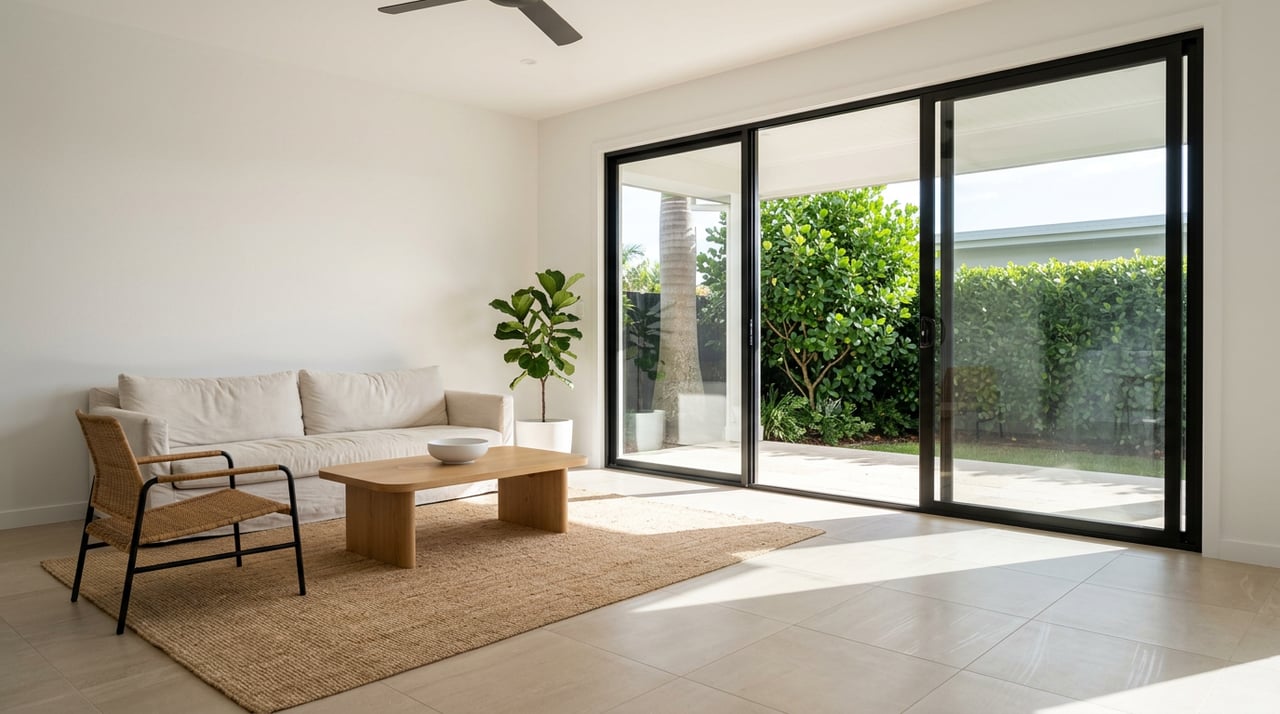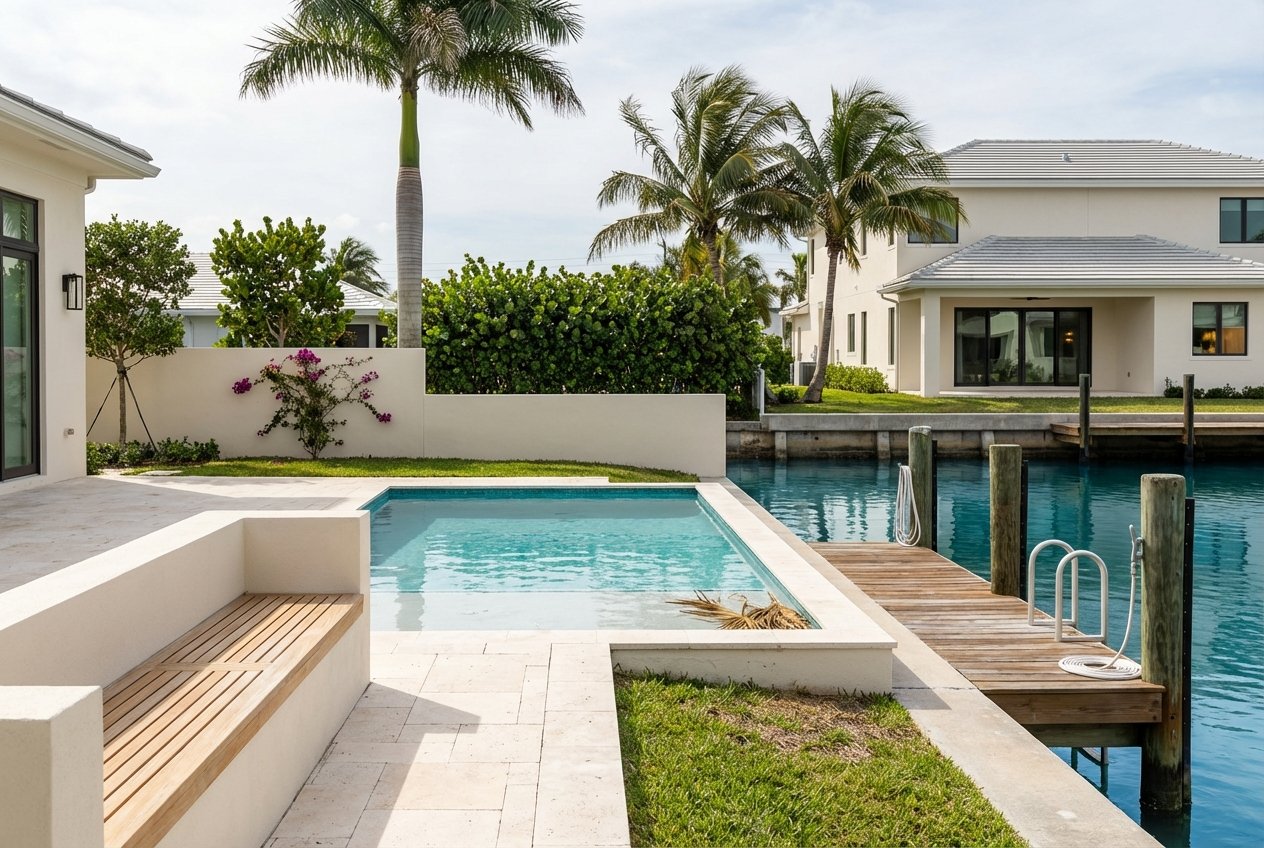
Thinking about a move in Jupiter and wondering if you should wait for “season” or list now? You are not alone. Timing shapes your price, your competition, and even how quickly you can get inspections and appraisals done. In this guide, you will learn how Jupiter’s seasonal rhythms work, when buyers and sellers tend to have the upper hand, and how to plan a smooth closing. Let’s dive in.
Jupiter’s seasonal rhythm
Jupiter follows two overlapping cycles. There is the traditional spring selling season, and there is the South Florida snowbird pattern that brings a surge of part-time residents in winter. Understanding both helps you choose the right window for your goals.
- Winter, roughly November to April, with a peak from December to March, brings elevated demand from seasonal residents and out-of-state buyers. Luxury and waterfront homes see strong interest. Competition can rise, and move-in-ready properties often draw multiple showings quickly.
- Spring, March to May, stays active. More listings come on, and many families begin shopping to move by summer.
- Summer, June to August, often has the highest inventory. Some buyers slow down due to heat or travel, which can create better negotiating conditions for non-seasonal properties.
- Fall, September to November, is quieter as seasonal residents leave. Some sellers list in late fall to catch early arrivals and avoid the flood of spring competition.
Hurricane season runs June to November. Roofs, shutters, flood risk, pools, and seawalls may get added scrutiny. Storms can delay inspections and closings, so it is smart to build in buffers.
Best time to sell in Jupiter
If your goal is to maximize exposure and price, winter is your power window. Seasonal buyers are in town, and many prioritize lifestyle features. That demand can push strong offers, especially for waterfront, golf, and turnkey properties.
Aim for late fall to early spring
Listing between November and April helps you capture the seasonal influx. In this window, well-presented homes often sell faster and closer to asking price. Plan early, because lenders, inspectors, and title companies are busy. Starting prep 6 to 8 weeks ahead of your target list date helps you hit the market with momentum.
Consider summer for less competition
If you prefer to stand out against fewer new listings, late spring and summer can work. You may trade a smaller buyer pool for more focused attention and the chance to negotiate on your terms. Pricing strategy matters here. Aim for compelling presentation and realistic pricing to convert serious buyers in a quieter season.
Best time to buy in Jupiter
If you want more leverage and less competition, look beyond peak snowbird months. Late spring, summer, and early fall can give you breathing room to compare options and negotiate.
Shop outside peak season
From late spring through early fall, buyers often face fewer competing offers. Inventory can be wider in summer, and sellers may be more open to negotiations. If you are financing, get fully preapproved and be ready to move when the right home appears.
Buying luxury or waterfront
High-end and waterfront segments are most active in winter when those buyers are in town. You will likely see the best selection then. Be prepared for faster-moving listings and premium pricing for desirable locations and turnkey condition.
Closing timelines and what to expect
Most Jupiter transactions follow Florida norms, with timing shaped by season and property type.
Typical timelines
- Cash purchases often close in 7 to 14 business days, barring title or survey issues.
- Financed purchases commonly take 30 to 45 days from contract to close.
- Condos and HOA properties can take longer due to document delivery and any required association approvals.
Seasonal slowdowns
In winter, demand can strain appraiser, inspector, lender, and title availability. Appraisals can take longer to schedule, and underwriting queues may grow. Order title work early, and book inspections as soon as you are under contract to stay on track.
Plan for condo and HOA reviews
Some associations take several business days or weeks to prepare official packets or process approvals. Build this into your timeline, especially in winter. Clear expectations up front help avoid last-minute delays.
Life-transition timing: probate, divorce, downsizing
Sensitive moves deserve extra care. If you are selling an inherited home, coordinating a divorce-related sale, or downsizing, timing is often about process as much as price.
- For estate and probate sales, align listing timing with document readiness and any court or fiduciary requirements. A well-sequenced plan reduces stress and protects value.
- For divorce-related sales, coordinate timelines with legal milestones to keep both parties informed and protected.
- For downsizing, consider a summer or early fall list date for calmer showings and easier scheduling, unless your home’s features align strongly with winter buyer demand.
If you need a higher-touch approach, lean on an advisor who combines negotiation skill with empathy. Design-forward prep and careful marketing can make your transition smoother and your outcome stronger.
Buyer and seller checklists
Seller checklist
- Schedule a pre-listing inspection to get ahead of repairs, especially roofs, pools, and hurricane protections.
- Time photos for curb appeal. Highlight landscaping and outdoor areas when they look their best.
- Stage for winter showings. Brighten spaces, emphasize indoor-outdoor flow, and present as move-in-ready.
- Offer flexible showing windows around peak seasonal travel.
- Prepare insurance information, wind mitigation details, and any flood disclosures ahead of time.
Buyer checklist
- Secure a full preapproval, not just a prequalification, before you shop.
- Line up inspectors and be ready to schedule fast in winter.
- Respond quickly to lender and title requests to keep underwriting on track.
- Use weather contingency planning during hurricane season to protect timelines.
For both
- Choose a local Jupiter agent who understands seasonal demand, inventory patterns, and service provider capacity so your plan matches the calendar.
Season-by-season pros and cons
Winter: November to March
- Seller advantages: Larger pool of out-of-area and higher-net-worth buyers, stronger traffic for lifestyle properties, potential for premium offers.
- Seller trade-offs: More listings compete for attention, and showing schedules can be tighter for seasonal owners.
- Buyer advantages: Access to strong inventory in luxury and second-home segments, with some sellers motivated to close before seasonal departures.
- Buyer trade-offs: More competition and higher prices on desirable homes, plus tighter inspection and contractor availability.
Spring: March to May
- Seller advantages: Broad buyer interest and many relocations targeting summer closings.
- Seller trade-offs: Inventory volume can be higher. Stand-out presentation is key.
- Buyer advantages: Wider selection. Good window for buyers who want to move by summer.
- Buyer trade-offs: Expect competition on well-priced homes.
Summer: June to August
- Seller advantages: Less competition can increase your listing’s visibility. Buyers may be more price-sensitive.
- Seller trade-offs: Fewer tours due to heat and travel. Hurricane-season uncertainty can interrupt schedules.
- Buyer advantages: More inventory and stronger negotiating leverage on many non-seasonal homes.
- Buyer trade-offs: Heat can limit showings, and some outdoor features show less well.
Fall: September to November
- Seller advantages: Opportunity to catch early-arriving seasonal buyers with less overall competition than spring.
- Seller trade-offs: Lower traffic overall. Storm timing can delay plans.
- Buyer advantages: Potential value after the seasonal slowdown and motivated sellers before year-end.
- Buyer trade-offs: Fewer seasonal buyers to compete with for premium inventory.
Key takeaways
- To target top pricing for lifestyle or waterfront homes, list in late fall through early spring to reach seasonal buyers.
- To gain negotiating leverage and more choices, consider late spring, summer, or early fall when competition eases.
- Expect 30 to 45 days for financed closings and 1 to 2 weeks for cash. Add extra cushion during winter and hurricane season.
- Market conditions shift. Check current MLS data and work with a local Jupiter agent before you set your timeline.
Ready to plan your move with a calm, strategic approach that fits your season and your story? Start your next chapter. Schedule a confidential consultation with Kristy Holm.
FAQs
What is the best month to list a Jupiter home?
- Late fall through early spring, roughly November to April, captures the seasonal buyer surge and can support premium pricing for many properties.
When do buyers usually get the best deal in Jupiter?
- Outside peak snowbird months, especially late spring, summer, and early fall, buyers face fewer competing offers and often have more negotiating power.
How long does a typical Jupiter closing take?
- Cash purchases often close in 7 to 14 business days, while financed transactions commonly take 30 to 45 days depending on appraisal and underwriting.
Will hurricane season delay a Jupiter home sale or purchase?
- Active storms can temporarily pause inspections, closings, and contractor work, so include time buffers during June to November.
Do winter buyers pay more for Jupiter waterfront homes?
- Seasonal and second-home buyers often prioritize location and turnkey condition in winter, which can lead to premium pricing for desirable properties.
How should families time a Jupiter move around school?
- Many families shop in spring to move in summer, so listing in spring can align with that demand and buying in spring can align with a summer move.